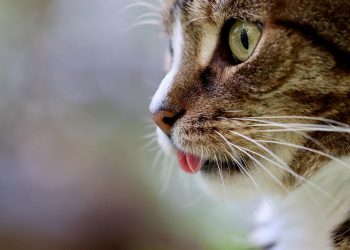
Understanding Unexpected Shifts in Feline Demeanor
Any cat owner will tell you that cats are often enigmatic and complex creatures. Their behavior can sometimes shift suddenly and unexpectedly, leaving even the most experienced cat owners puzzled. Understanding these shifts in feline demeanor is crucial not only for the well-being of your pet but also for maintaining a harmonious living environment. This article explores the causes, signs, and solutions related to sudden changes in cat behavior, providing a valuable guide for all cat lovers.
Causes of Behavioral Changes in Cats
Cats may exhibit changes in behavior due to various factors ranging from health issues to environmental changes. Recognizing the root causes is the first step towards addressing these shifts.
Health-Related Issues
Sudden changes in a cat’s behavior can often be attributed to illnesses or discomfort. Conditions such as urinary tract infections, dental disease, arthritis, or other more severe illnesses like diabetes or thyroid problems can alter your cat’s demeanor. Such health issues might make them more irritable, lethargic, or even aggressive.
Environmental Stressors
Cats are highly sensitive to changes in their environment. Moving to a new home, alterations to their living space, or the arrival of a new pet or family member can significantly stress them out. Negative changes in their environment can result in behavior such as hiding, aggression, or unexpected vocalization.
Psychological Factors
Mental health is as important in cats as it is in humans. Anxiety, depression, and stress can lead to noticeable changes in your cat’s behavior. Symptoms might include excessive grooming, changes in eating habits, or altered interaction levels with humans or other pets.
Signs of Behavioral Shifts in Cats
Identifying behavioral shifts early can help mitigate any underlying issues before they escalate. Key indicators include:
Changes in Activity Levels
A noticeable increase or decrease in activity can be a sign of distress or illness. A once-playful cat becoming suddenly lethargic or an older cat suddenly becoming hyperactive warrants closer attention.
Alterations in Vocalization
A change in the frequency or tone of a cat’s meow can be an indicator of discomfort or dissatisfaction. For instance, increased meowing might be a cry for attention or a sign of health issues.
Variations in Social Behavior
If your usually friendly cat starts to isolate itself or avoids being touched, it might be experiencing pain or stress. Conversely, a previously aloof cat becoming overly clingy can also signify something is amiss.
How to Respond to Behavioral Changes
Understanding the cause behind your cat’s behavioral changes is essential to find the right solution. Here are some steps you can take:
Consult a Veterinarian
A thorough check-up by a vet can help determine if your cat’s behavior change is linked to health issues. Early diagnosis and treatment can often resolve the problem quickly and prevent further complications.
Improve the Environment
Maintaining a stable and stress-free environment can help manage cats susceptible to psychological stressors. This includes keeping a routine, providing safe hiding spots, and reducing loud noises or sudden disturbances.
Behavior Modification Techniques
Behavioral training and modifications can help manage your cat’s actions effectively. Techniques such as positive reinforcement for good behavior or gentle discouragement of negative behavior can be beneficial.
Conclusion
While cats are generally perceived as low-maintenance pets, their emotional and physical health can significantly affect their behavior. Recognizing and understanding the signs and causes of sudden changes in your cat’s demeanor are imperative in ensuring their well-being. By adopting a proactive approach and consulting professionals when necessary, one can address the needs of their feline friends effectively, nurturing a healthy and loving relationship.