[ad_1]
The Purr-fect Leader: How One Cat Leads the Pack with Feline Grace
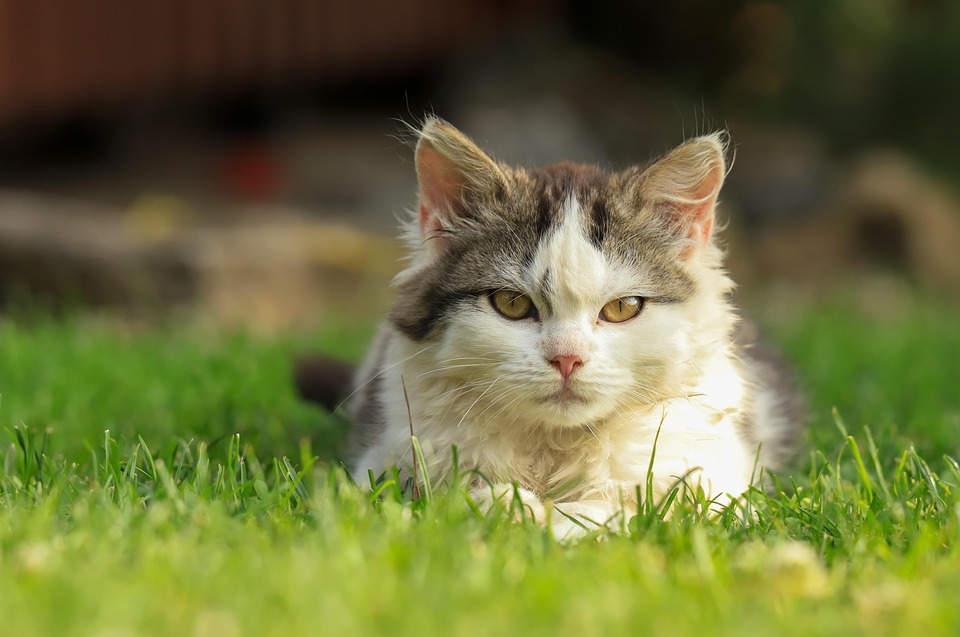
When it comes to leadership, we often look to humans for guidance and inspiration. However, in the animal kingdom, there are also shining examples of leadership that we can learn from. One such example is the domestic cat, a creature known for its independence and grace. In this article, we will explore how one cat leads the pack with feline grace, and what lessons we can take away from its leadership style.
The Importance of Leadership
Leadership is a crucial aspect of any group dynamic, whether it be in a pack of animals or a team of humans. A strong leader can inspire, motivate, and guide others towards a common goal. In the animal kingdom, leadership is often determined by dominance and hierarchy, with the strongest and most confident individuals rising to the top.
However, leadership is not just about power and dominance. True leadership involves empathy, communication, and the ability to bring out the best in others. This is where the domestic cat excels, demonstrating a unique blend of independence and social skills that make it an effective leader within its pack.
The Feline Leader
Within a group of domestic cats, there is usually one individual who emerges as the leader. This cat is not necessarily the biggest or strongest, but rather the one with the most charisma and confidence. The feline leader is often the first to explore new territory, the first to defend its territory from invaders, and the first to initiate play and social interactions.
One key trait of the feline leader is its ability to communicate effectively with its pack. Cats are known for their subtle body language and vocalizations, which they use to convey their emotions and intentions to others. The feline leader is adept at reading and responding to these cues, ensuring that its pack remains cohesive and harmonious.
Lessons from the Feline Leader
There are several valuable lessons that we can learn from the feline leader and apply to our own lives and leadership roles. One of the most important lessons is the importance of self-confidence. The feline leader exudes confidence in every action it takes, inspiring trust and respect in its pack. By cultivating our own self-confidence, we can become more effective leaders in our own right.
Another lesson from the feline leader is the importance of communication. Cats are masters of non-verbal communication, using their body language and vocalizations to convey their thoughts and feelings. As leaders, we can benefit from developing our own communication skills, both verbal and non-verbal, to better connect with and inspire those around us.
Finally, the feline leader teaches us the value of independence. Cats are fiercely independent creatures, yet they also understand the importance of working together towards a common goal. By balancing independence with cooperation, the feline leader is able to lead its pack with grace and efficiency.
Conclusion
In conclusion, the domestic cat offers a unique perspective on leadership, demonstrating how independence, communication, and self-confidence can make for a purr-fect leader. By observing and learning from the feline leader, we can gain valuable insights into effective leadership practices that can benefit us in our own lives and relationships. So the next time you see a cat leading the pack with feline grace, take note of its leadership style and consider how you can apply these lessons to your own leadership journey.
[ad_2]